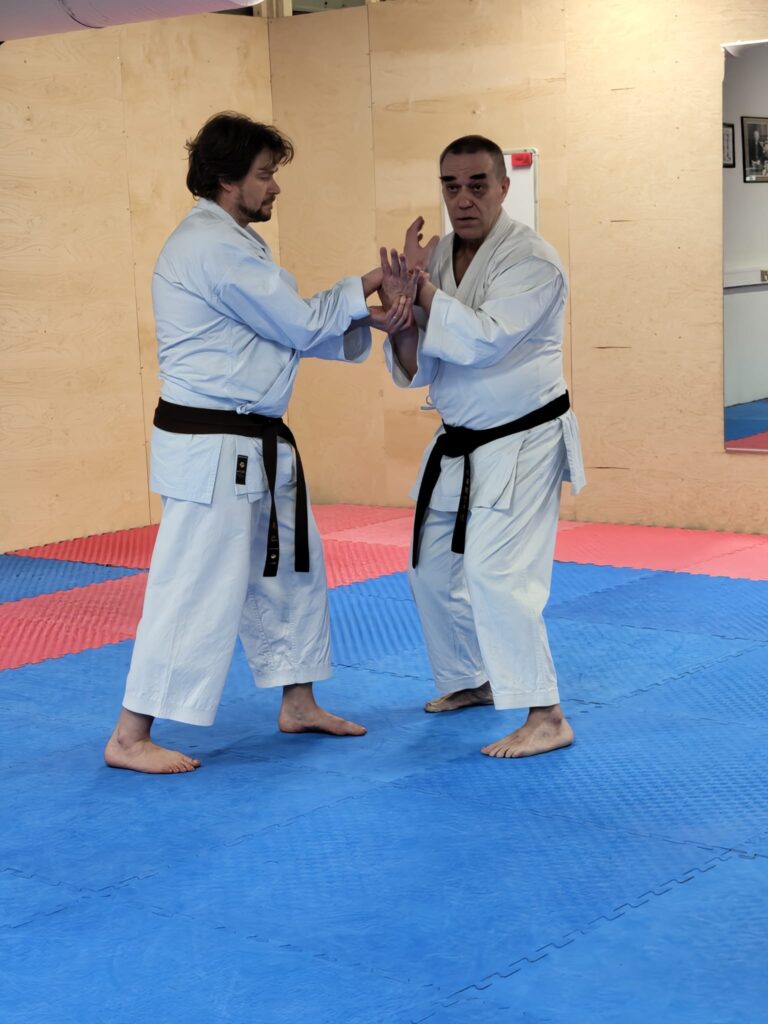


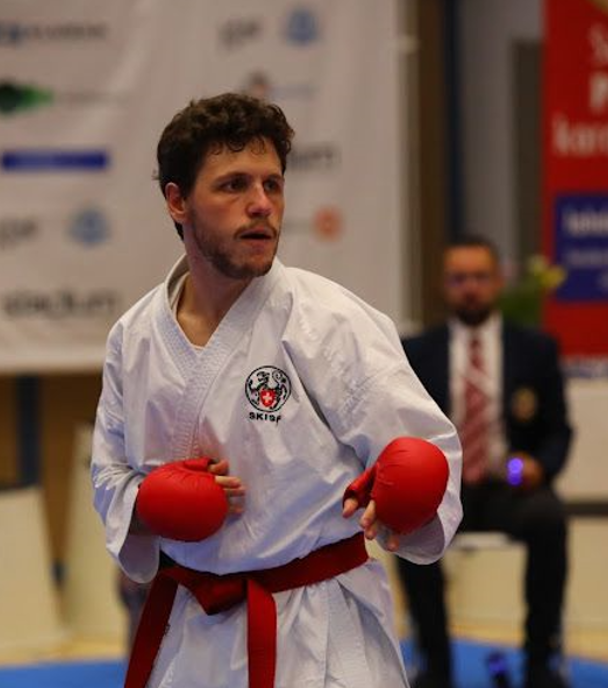

Kumite training is a core aspect of karate and other martial arts, focusing on sparring and the application of techniques in a controlled, combative context. The term ”kumite” means ”grappling hands” or ”sparring,” and it involves practicing techniques against an opponent to develop timing, distance, and practical combat skills. Kumite training helps practitioners apply what they have learned in kihon (basic techniques) and kata in a dynamic, interactive environment.
Types of kumite
Kihon Kumite (Basic Sparring)
This is a structured form of sparring where practitioners perform pre-arranged techniques with a partner. It focuses on fundamental movements and combinations.
Ippon Kumite (One-Step Sparring)
One practitioner attacks with a single technique, and the other defends and counters. This helps develop timing, precision, and effective counterattacks.
Sanbon Kumite (Three-Step Sparring)
Similar to ippon kumite but involves a series of three attacks and defenses. This type of kumite develops rhythm and flow in combinations.
Jiyu Kumite (Free Sparring
This is free-form sparring with fewer restrictions, allowing for a more realistic and dynamic exchange of techniques. Practitioners apply a wide range of techniques spontaneously.
Gohon Kumite (Five-Step Sparring)
Involves a series of five attacks and defenses, often used to build endurance, consistency, and focus in executing techniques.
Kumite for Competition
In competitive kumite, practitioners spar under specific rules and scoring systems. It emphasizes speed, accuracy, and control to score points while minimizing the risk of injury.
Key components of kumite training
Techniques
Practitioners use a variety of strikes (punches, kicks), blocks, and evasive movements. Techniques are executed with precision and control to avoid injuring the partner.
Timing and Distance
Understanding and controlling timing and distance (maai) is crucial in kumite. Practitioners learn when to strike, how to maintain optimal distance, and how to move effectively.
Reaction and Reflexes
Kumite sharpens reflexes and reaction times. Practitioners develop the ability to quickly respond to their opponent’s movements and attacks.
Footwork
Effective footwork is essential for maintaining balance, positioning, and creating opportunities for attack and defense.
Strategy and Tactics
Practitioners learn to read their opponents and develop strategies to exploit weaknesses. Tactics involve feints, combinations, and setting up techniques.
Control and Respect
Emphasis is placed on control to prevent injury. Practitioners are taught to respect their partners and use appropriate force.
Whether you are curious about karate and want to try it for the first time, or you are already a seasoned karateka looking for a shotokan style training club in Helsinki, we warmly welcome you to our trainings.

JKS Finland is a non-profit organisation and a karate club that looks after the Shotokan Karate style as developed by Tetsuhiko Asai Shuseki Shihan. Our dojo is located in Helsinki.
MEKAANIKONKATU 17 00880 HELSINKI FINLAND
info@jksfinland.fi